Chianti, Siena, and San Gimignano in One Day: The Perfect Day Trip from Florence (With Italian for the Road)
Florence rewards patience. The city has enough to occupy weeks of serious attention. But there is a version of Tuscany that Florence does not contain — the one visible only from a car winding through vine-covered hills, or from the edge of a medieval square where the horizon opens onto a landscape unchanged since the 15th century.
Chianti, Siena, and San Gimignano are each within 70 kilometres of Florence. Combining them in a single day requires an early start and a clear plan, but it is entirely feasible — and the route between them is as significant as the destinations themselves.
How to Get There: Car, Tour, or Bus
The honest answer is that this itinerary works best with a car or a small-group guided tour. Public buses reach Siena and San Gimignano from Florence, but not on a schedule that allows you to combine them efficiently with a stop in Chianti in a single day.
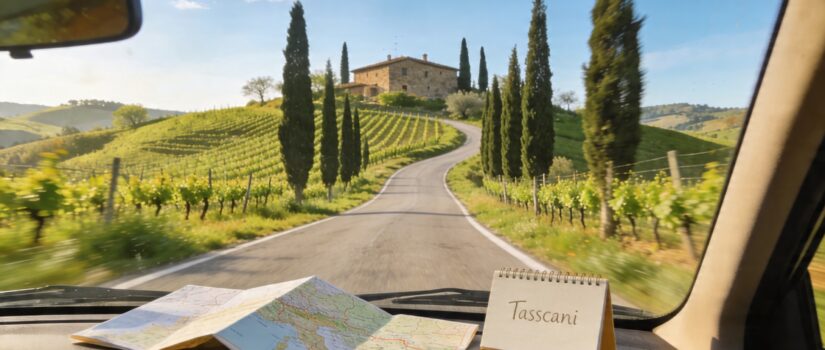
A rental car gives you complete flexibility and puts the Chiantigiana — the SR222 road through the heart of Chianti wine country — under your control. The drive from Florence to Greve in Chianti takes about 40 minutes. From there, Siena is another 45 minutes south. San Gimignano sits roughly halfway between Siena and Florence on the return.
For those without a driving licence or who prefer not to navigate Italian roads, small-group guided tours cover this exact circuit daily. They handle transport, include a winery lunch, and keep groups small — consistent with the kind of informal conversation built into the student activities and excursions organised by Istituto Il David as part of the broader language immersion programme.
First Stop: Chianti — Wine, Vocabulary, and a Family Winery
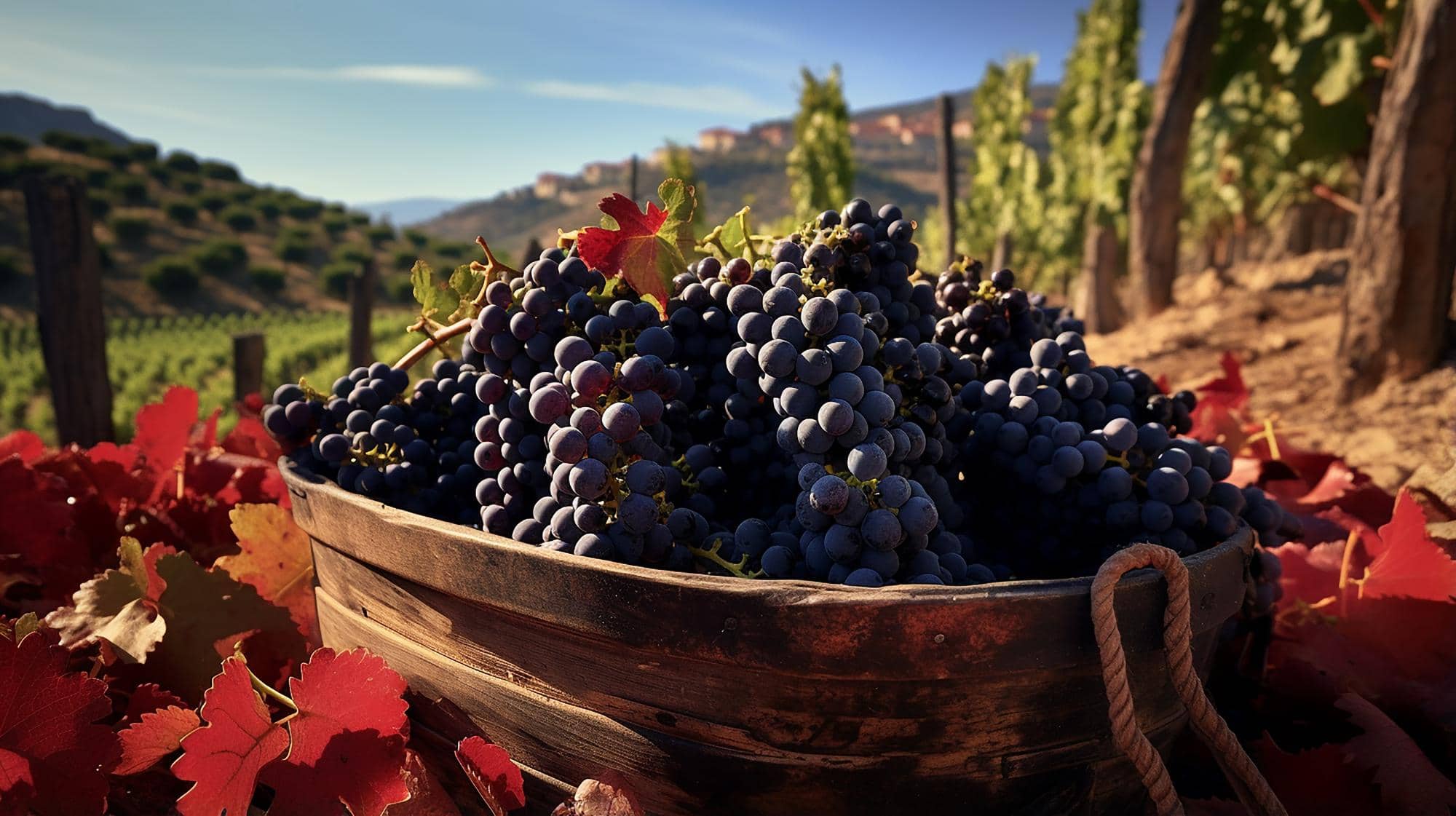
The Chianti Classico zone begins about 20 kilometres south of Florence and stretches through rolling hills to just north of Siena. A stop at a family-run winery — agriturismo or cantina — is the most rewarding way to spend two hours in Chianti.
Useful Italian for a winery visit: la vendemmia (the harvest), le botti (the barrels), l’uvaggio (the blend), invecchiato (aged), affinato in legno (aged in wood). At the tasting: ha sentori di… (it has notes of…), è tannico (it’s tannic), è fruttato (it’s fruity). These terms come up in any serious tasting and mark you as an engaged visitor rather than a passing tourist.
Second Stop: Siena — Medieval Italian in the Piazza del Campo
Siena is the most complete medieval city in Italy. Allow at least 90 minutes. The Duomo di Siena is worth entering — its black-and-white marble striped facade and inlaid floor make it visually distinct from any other Italian cathedral. The Piazza del Campo is the place to sit with a coffee and watch the city function around you.
Italian for Siena: the Palio horse race — held twice yearly in July and August — defines Sienese civic identity. Even outside race season, the vocabulary is everywhere: le contrade (the neighbourhoods), il fantino (the jockey), il drappellone (the painted silk banner awarded to the winning contrada). Locals speak about the Palio with genuine emotion — mentioning it opens genuine conversation.
Third Stop: San Gimignano — Towers, Gelato, and the Return
San Gimignano sits on a hilltop northwest of Siena, its fourteen surviving medieval towers rising above the Tuscan plain. Plan 60 to 90 minutes. Walk the main street into Piazza della Cisterna and Piazza del Duomo. Buy gelato from Gelateria Dondoli on Piazza della Cisterna — a multiple World Gelato Championship winner.
The return to Florence via Certaldo and Tavarnelle takes about 75 minutes and passes through more Chianti countryside. This is the moment to practise narrative recount — telling a companion, in Italian, what you saw and tasted during the day: Abbiamo visitato… Siamo passati per… Ho assaggiato… Mi è piaciuto molto… Past tense in context, acquired through the day’s experience.
For a broader picture of how to use Tuscany’s seasons as a language learning resource, the article on spring food traditions in Florence and Tuscany provides seasonal grounding that enriches any day trip taken between April and June.
What to Eat Along the Way
Lunch in Chianti at an agriturismo typically means pici al ragù, bruschetta, and a tasting plate of local salumi and pecorino. In Siena, look for ricciarelli (soft almond biscuits) and panforte (dense spiced fruit cake) as afternoon snacks. In San Gimignano, Vernaccia di San Gimignano DOCG — a crisp local white — is the obvious choice with a light aperitivo before heading back.
Excursions like this are built into the programme at Istituto Il David. If you are enrolled in one of the Italian summer courses, weekend day trips to Chianti and Siena are a regular part of the cultural calendar — with a teacher present to turn the experience into structured practice.
Ready to enrol?
Chianti, Siena, and San Gimignano in a single day is the kind of experience that changes what you understand about Italian geography, food, and language. Istituto Il David’s summer courses include guided excursions to the Tuscan countryside. Florence is already the perfect base — let us help you use it properly.